You’re looking up at your ceiling, and something feels… off. Maybe it’s dated, damaged, or simply not the style you want for your San Diego home. Understanding the various ceiling textures is the first step in deciding if it’s time for a change or a repair. Here, we’ll break down the most common types you’ll find across San Diego County, helping you identify what’s above you and what your options are.
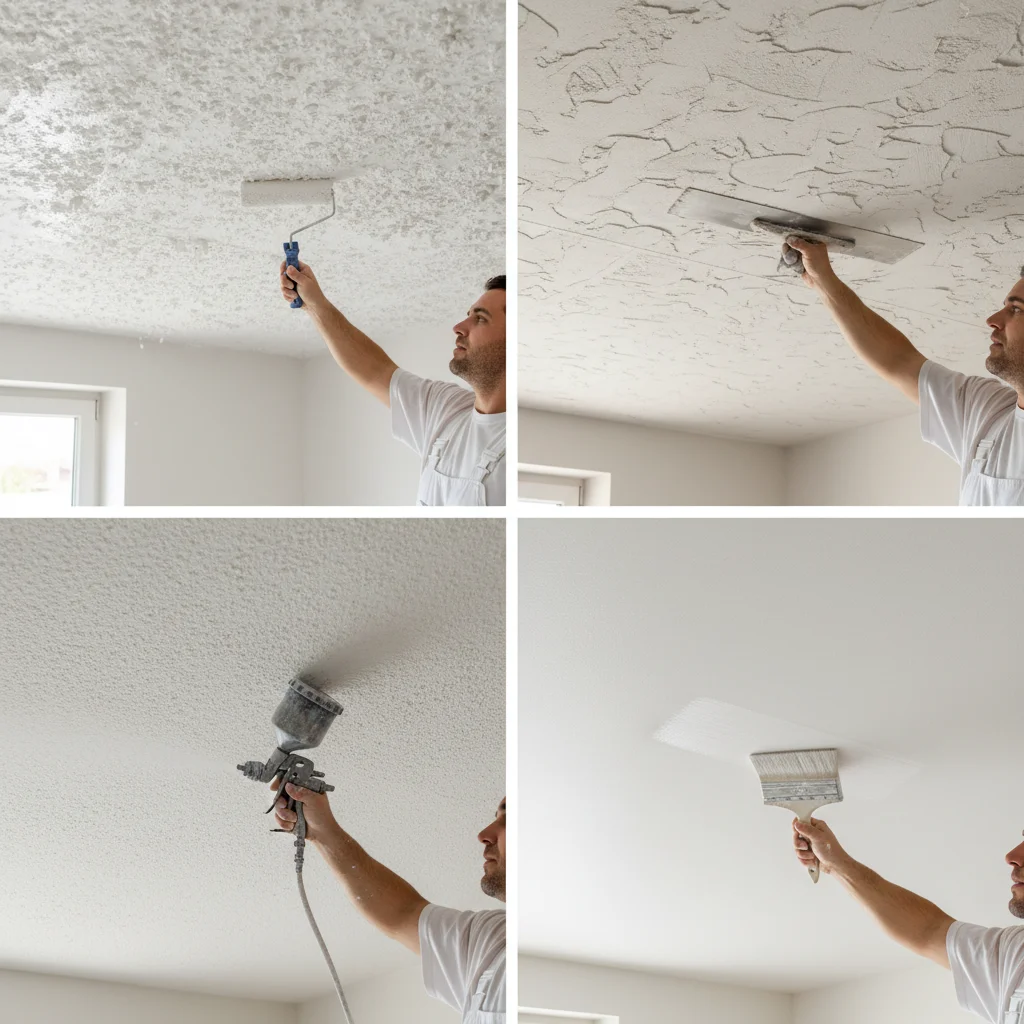
From popcorn to smooth: a visual guide
Ceiling textures play a huge role in a room’s overall aesthetic and even its acoustics. Over the decades, trends in San Diego homes have shifted, leading to a variety of finishes you’ll encounter. Each texture has a distinct look and feel.
Popcorn texture, also known as acoustic or cottage cheese texture, was extremely popular from the 1950s through the 1980s. You’ll often find it in older San Diego homes, particularly in neighborhoods built during that era. It’s characterized by its bumpy, irregular appearance, resembling actual popcorn kernels. Its popularity stemmed from its ability to hide imperfections and offer some sound dampening qualities. However, it collects dust easily, can be difficult to clean, and often contains asbestos if installed before the late 1970s. Many homeowners opt for popcorn ceiling removal to update their spaces and improve air quality.
As construction methods evolved, smoother, more refined textures gained favor. Knockdown texture offers a subtle, softened look, while orange peel provides a fine, stippled finish. The ultimate modern choice is a smooth finish, offering a clean, contemporary aesthetic that brightens rooms. Each texture impacts how light reflects in a room and can influence the perceived spaciousness. Knowing these common types helps you make informed decisions for your home’s ceiling.
What is knockdown texture?
Knockdown texture is one of the most common ceiling finishes in newer San Diego homes. It’s a versatile choice that bridges the gap between the heavily textured popcorn and a completely smooth surface. You’ll recognize it by its distinctive flattened, irregular pattern, which looks like wet plaster was sprayed on and then lightly “knocked down” with a trowel or knife. This process creates soft peaks and valleys, giving it a somewhat rustic yet refined appeal.
This texture starts with spraying a mud mixture onto the ceiling using a special hopper gun. The key difference from other textures comes in the next step: after the mud slightly dries, a wide knockdown knife or trowel is gently dragged across the surface. This action “knocks down” the wet peaks, creating the signature flattened effect. The density and size of the flattened areas can vary, leading to different variations like “skip trowel knockdown” or “heavy knockdown,” depending on the desired look.
Homeowners in San Diego often choose knockdown for several reasons. It effectively hides minor imperfections in drywall, making it a good option for renovation projects. It also adds a touch of architectural interest without being as overwhelming as popcorn texture. Plus, it’s generally easier to repair and clean than popcorn, and its low profile reduces dust accumulation. If you’re updating an older home and want a modern, subtle texture, knockdown is a fantastic choice that many San Diego residents appreciate.
What is orange peel texture?
Orange peel texture is another popular finish you’ll frequently see in San Diego homes, especially those built more recently. As its name suggests, this texture resembles the dimpled, slightly bumpy surface of an orange peel. It’s much finer and more subtle than knockdown or popcorn, offering a very slight texture that adds character without drawing too much attention.
Applying orange peel texture involves using a spray gun to mist a thin layer of drywall mud onto the ceiling. The technique uses high air pressure and low mud flow, creating tiny, close-knit splatter patterns. Unlike knockdown, there’s no “knocking down” step; the texture sets as it dries. The result is a consistent, subtle stippled look that’s popular for its clean and contemporary feel.
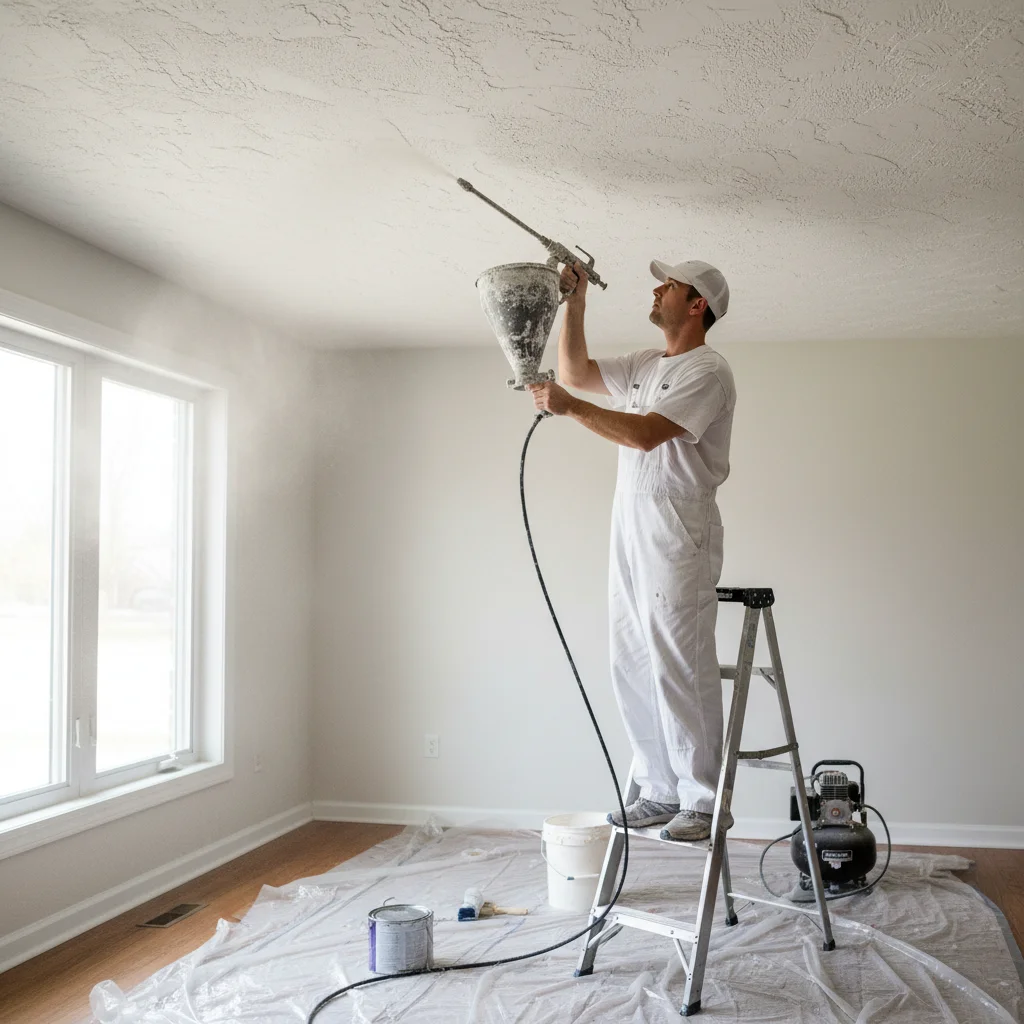
San Diego homeowners often choose orange peel for its understated elegance and practical benefits. It’s excellent at camouflaging minor surface flaws and blemishes on drywall, much like knockdown, but with an even less pronounced finish. This texture is also quite durable and relatively easy to clean, making it a low-maintenance option for busy households. It’s a great choice if you want to add just a hint of texture to your ceilings or walls without going for a full smooth finish. It provides a touch of depth that helps prevent a room from feeling too sterile or flat, balancing aesthetics with functionality.
The pros and cons of a smooth finish
The smooth ceiling finish is the epitome of modern design. It’s the cleanest, most minimalist option available, offering a sleek and contemporary look that many San Diego homeowners are seeking today. A perfectly smooth ceiling creates an expansive feel, reflecting light beautifully and making rooms appear larger and brighter. This finish is a hallmark of high-end homes and contemporary renovations.
The primary advantage of a smooth finish is its aesthetic appeal. It provides a clean canvas for any interior design style, making colors pop and architectural details stand out. It’s also easy to clean, as there are no nooks or crannies for dust or cobwebs to accumulate. For homeowners who value crisp lines and an uncluttered visual space, a smooth ceiling is often the ideal choice. It also offers the most flexibility for future design changes, as it provides a neutral backdrop.
However, achieving a flawless smooth finish comes with its own set of challenges. It’s the most labor-intensive and unforgiving of all ceiling textures. Every single imperfection in the drywall – every seam, screw pop, or patch – will be visible. This means extensive prep work is required, including meticulous mudding, sanding, and priming. Any slight unevenness or flaw will stand out, which is why professional execution is critical. The cost can also be higher due to the significant labor involved in perfecting the surface. Despite these cons, the timeless elegance and clean lines of a smooth finish often make it worth the investment for many San Diego residents looking to elevate their home’s interior.
How texture matching works for drywall repairs
Drywall repair is a common necessity in homes, whether from water damage, accidental holes, or modifications. When you need a repair, it’s not enough to just patch the hole; the new section must seamlessly blend with the existing ceiling texture. This is where professional texture matching becomes crucial. A poorly matched texture will stick out like a sore thumb, undoing all the effort of the repair.
Texture matching is an art and a science. It requires a skilled hand and an understanding of how different materials and application techniques create specific patterns. For common textures like knockdown or orange peel, it starts with identifying the exact existing texture. Painters examine the size of the bumps, the density of the pattern, and how far the texture protrudes from the surface. Then, they select the right consistency of drywall mud and the correct spray gun nozzle or trowel.
The process often involves feathering the new texture out from the repaired area, gradually blending it into the surrounding original texture. For knockdown, this means carefully spraying the mud and then using a knockdown knife with just the right amount of pressure and drying time to replicate the existing flattened pattern. For orange peel, precise adjustments to air pressure and mud flow on the spray gun are essential to create those subtle, stippled dots. A true professional can make a repair virtually invisible, ensuring your ceiling looks uniform and pristine. This attention to detail is why trusting experts with your drywall repair is so important for a flawless finish.
Costs to change your ceiling texture
Changing your ceiling texture is a significant home improvement project that can dramatically update your space. The costs involved vary widely depending on several factors, including the existing texture, the new texture you want, the size of the area, and any necessary prep work. San Diego’s labor costs also play a role, as professional work ensures quality and longevity.
The most common starting point for a texture change in older homes is popcorn ceiling removal. This is often the most labor-intensive and potentially hazardous step, especially if the popcorn contains asbestos, which requires specialized handling and testing. You can get more details on potential costs in our blog post about popcorn ceiling removal cost in San Diego. After removal, the ceiling needs thorough preparation to ensure a smooth, clean surface for the new texture. This can involve scraping, sanding, priming, and sometimes even a skim coat of drywall mud to level out imperfections.
Once the old texture is gone and the surface is prepped, the cost will depend on the new texture choice. Applying knockdown or orange peel texture is generally more affordable than achieving a smooth finish. Smooth finishes require the most meticulous work to ensure a flawless surface, making them the most expensive option. Factors like the number of rooms, ceiling height, and any necessary furniture moving or protection also influence the overall quote. Always get detailed estimates from licensed and insured contractors. You can check a contractor’s license in California at the CSLB website: https://www.cslb.ca.gov/onlineservices/checklicenseII/checklicense.aspx. Investing in professional work ensures a beautiful and durable result that enhances your home’s value and appeal.
When to call us
Changing or repairing ceiling textures is a job best left to experienced professionals. Whether you’re removing outdated popcorn, repairing water damage, or wanting a completely new look, the precision and skill required are considerable. Don’t risk a patchy finish or a prolonged DIY headache. Call us at (858) 925-5546 for a same-day estimate.